
What it means for earthlings as US OKs launch of 1 million Starmind satellites
TOI World
TOI World
AI Summary
The US FCC has approved SpaceX's plan to launch one million Starmind AI data centre satellites, multiplying operational satellites by 50 and raising concerns about orbital congestion, atmospheric pollution from re-entry burn-up, and night sky visibility.
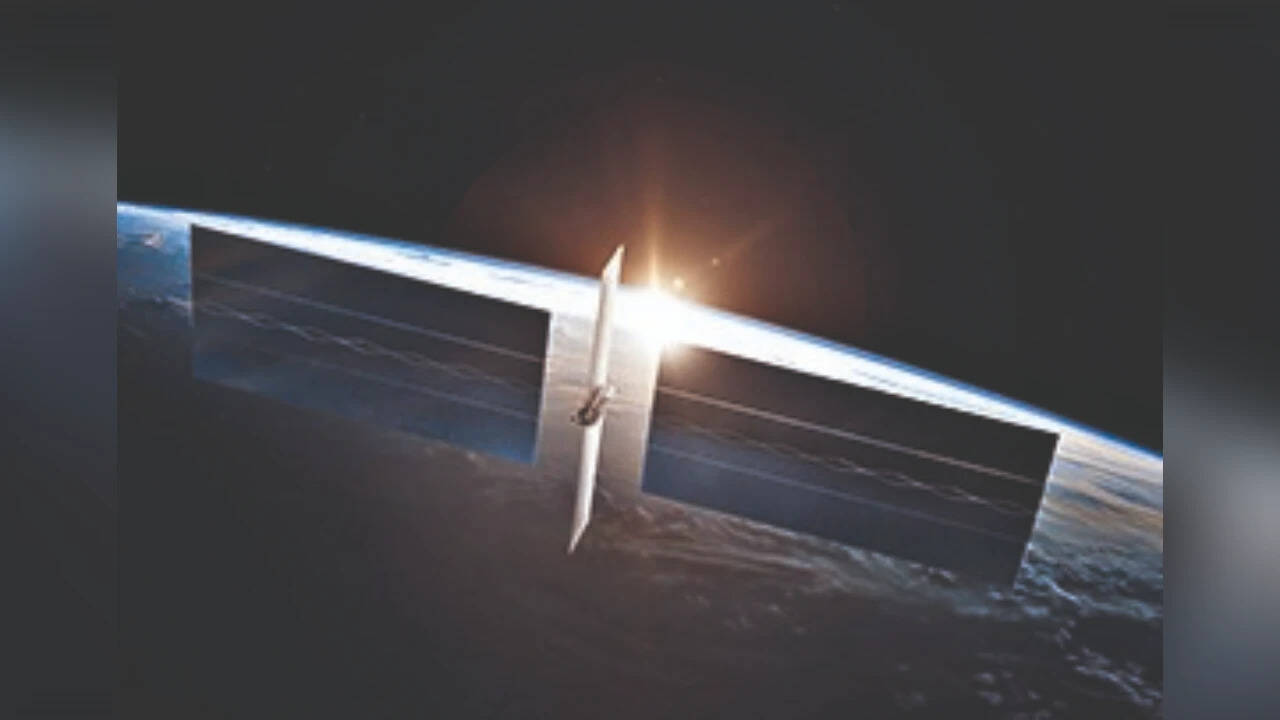
This week, on the eve of the Thanksgiving holiday, US Federal Communications Commission (FCC) approved SpaceX’s plan to launch one million “Starmind” artificial intelligence (AI) data centre satellites. SpaceX’s pitch is to take the impact of data centres away from Earth, using a million solar-powered satellites to do AI data crunching in space and beam the results to Earth. If Starmind proceeds in full, the number of operational satellites will be multiplied by a factor of 50. Space and our night skies will become vastly busier places. We are currently in a satellite boom. Operational satellites already number nearly 20,000, while orbital launches have risen to almost one daily. Maintaining a million-satellite constellation, assuming five-year lifetimes, would require launching and eventually disposing of roughly 500 satellites each day. Below 2,000km, disposal generally means atmospheric re-entry and burn-up. Satellite materials are already depositing more aluminium, titanium, copper and lead in the upper atmosphere than meteors. Alumina can damage ozone, potentially increasing ultraviolet exposure and skin-cancer risk. Increasing the number of satellites by a factor of 50 is going to change our view of the sky. If you look up during the early evening, you will see the stars your ancestors saw. But within a minute or two you will see a satellite. A point of light silently moving from horizon to horizon. Each satellite would be 75 metres wide and in the early evening, they will be brighter than any star. And with a million satellites in orbit, there will be hundreds of Starmind satellites above the horizon irrespective of where you are.
Orbital congestion also raises collision risks. Satellites travel at about seven kilometres per second; crashes can create debris that triggers further collisions. A runaway Kessler Syndrome cascade could render low Earth orbit unusable. SpaceX manoeuvres operational Starlink satellites away from potential collisions, but failed satellites cannot be controlled. FCC regulates satellite radio frequencies, disposal and environmental impacts, but said it “will not require further environmental review under the National Environmental Policy Act ... for Starmind system”. It said Starmind “promises to bring the human race closer to a Kardashev II civilization –– one that can harness the full power of Sun”.
Sentiment analysis
AI insights
Low
20m ago
General
—
Financial analysis
Relevance
Medium
Market sensitivity
Medium
Affected sectors
Affected assets
Follow this story on TV
Live charts and AI commentary on one screen with Trade on tv.